
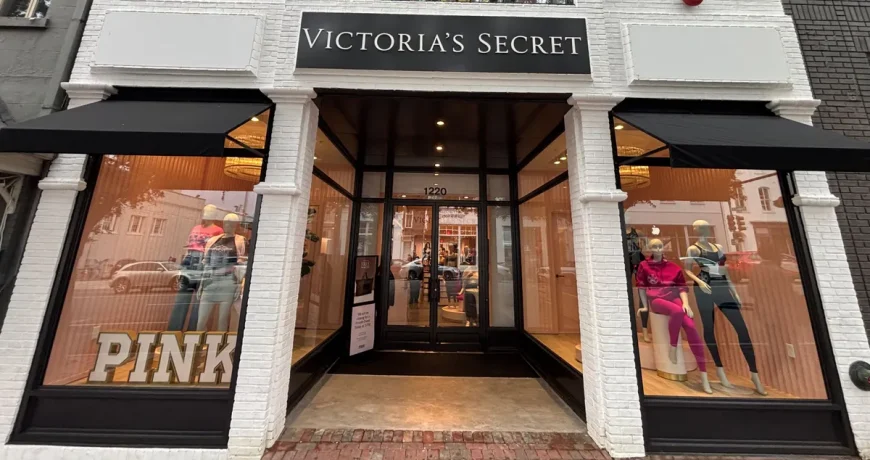
Victoria’s Secret Board nominees won shareholder backing after a proxy fight with activist investor BBRC International, giving the retailer’s leadership a fresh endorsement as it continues a closely watched turnaround effort.
Shareholders reelected all nine of the remaining director nominees put forward by Victoria’s Secret & Co. at the company’s 2026 annual meeting. The vote came after BBRC, led by retail investor Brett Blundy, pushed back against parts of the board and urged shareholders to oppose some directors.
Independent Chair Donna James was reelected with more than 83% support, according to the company. Final voting results were filed with the U.S. Securities and Exchange Commission on Monday.
The result gives Victoria’s Secret a public win in a governance fight that had drawn attention to its board composition, recent dealmaking and strategy under Chief Executive Hillary Super. It also suggests that many shareholders were not ready to side with BBRC’s broader challenge, even though the activist investor succeeded in influencing part of the board process.
Victoria’s Secret Board Holds Shareholder Support
The Victoria’s Secret Board vote centered on whether shareholders would continue backing the company’s current leadership structure or register deeper dissatisfaction after BBRC’s campaign.
The retailer framed the outcome as a strong show of confidence in its board oversight and strategy. The company said the vote recognized progress under its Path to Potential plan, which has been positioned as a key effort to strengthen the brand, improve operations and create shareholder value.
For Victoria’s Secret, the vote matters because investor confidence remains central to its recovery story. The company has been working to redefine its brand after years of changing consumer expectations, competitive pressure and questions about its market positioning.
Board stability can help management keep attention on the turnaround. However, the proxy battle also showed that some investors want closer scrutiny of governance, capital allocation and director tenure.
BBRC’s campaign did not remove James, but it did put pressure on the company before the meeting. The activist investor filed a proxy statement in May seeking votes against James and Mariam Naficy, both independent directors.
BBRC argued that James had served too long on the board and raised concerns about Naficy’s role in the company’s acquisition of Adore Me. The group described the deal as an example of poor capital allocation.
BBRC Campaign Still Influenced the Process
Although Victoria’s Secret won the final vote, BBRC did not leave the proxy fight empty-handed. Naficy later chose not to seek reelection, which partly addressed one of the activist investor’s stated objectives.
Victoria’s Secret is now searching for a new director. That process will give the company an opportunity to bring fresh expertise onto the board while showing investors that it remains open to governance updates.
The board fight also forced the retailer to publicly defend its approach. Victoria’s Secret released details of discussions with Blundy that took place before the proxy battle, showing that both sides had engaged before the disagreement moved into a formal shareholder campaign.
Those disclosures were part of the company’s effort to rally support for its remaining nominees, including James. In governance disputes, public messaging can matter almost as much as the vote itself because both sides try to define the issue for shareholders.
BBRC ultimately voted against all of the company’s nominees except Super. That position allowed Blundy to oppose the board broadly while signaling support for the CEO’s role in reshaping the company.
Blundy previously said Super deserved a board suited to her goals as she builds a new Victoria’s Secret. That distinction made the campaign less of a direct challenge to management and more of a challenge to board oversight.
Turnaround Strategy Remains Under Watch
The shareholder vote gives Victoria’s Secret leadership more room to continue its Path to Potential strategy, but it does not remove pressure on the company.
The retailer remains in a competitive intimates and apparel market where consumer preferences have shifted sharply. Victoria’s Secret has been working to balance brand heritage with a more modern identity, while also competing with digital-first brands, specialty retailers and mass merchants.
Governance questions can become more intense when a company is trying to reposition itself. Investors often want evidence that the board has the right mix of retail, digital, financial and brand-building expertise to oversee a transformation.
That is why BBRC’s challenge focused not only on performance but also on board composition and capital decisions. The Adore Me acquisition became part of that debate because deals can shape investor views about whether management and directors are allocating resources effectively.
The vote indicates that most shareholders accepted the company’s case for continuity. Still, the level of scrutiny will likely remain high, especially as Victoria’s Secret looks for a new director and continues to report progress under its current strategy.
Poison Pill History Adds Context
The proxy fight followed earlier tension between Victoria’s Secret and BBRC. In 2025, the company adopted a poison pill after what it described as a substantial accumulation of Victoria’s Secret shares by BBRC.
A poison pill, formally known as a shareholder rights plan, is designed to make it harder for an investor to gain significant control without board approval. Companies often use such measures when they believe an investor is building a position that could influence control or strategy.
That history adds context to the 2026 vote. The relationship between Victoria’s Secret and BBRC had already become a governance issue before the annual meeting, and the proxy fight brought those tensions into the open.
For shareholders, the key question now is whether the board can convert the vote of confidence into stronger business performance. The company has defended its strategy, but market support will depend on measurable results.
Victoria’s Secret will need to show progress in brand relevance, customer engagement and financial execution. The new director search will also be watched as a signal of whether the board plans to refresh its skills and address some investor concerns.
The proxy battle may be over, but the governance story is not finished. Investors will now look for evidence that the Victoria’s Secret Board can support Super’s strategy while responding to shareholder demands for sharper oversight and stronger returns.