
Choosing the right web hosting service is more important than ever in 2026. As websites become more complex and user expectations rise, your hosting provider must do more than simply store files — it must keep your site fast, secure, scalable, and reliable. Web hosting has evolved into an integrated service that impacts performance, SEO, user experience, and business growth.
Here’s a detailed guide to the web hosting features to look for in 2026, so you can make a smart choice whether you’re launching a personal blog, an e‑commerce store, or a business website.
1. Speed and Performance
Website performance is one of the most critical features in modern hosting. Fast page load times improve user experience and search engine rankings, and help reduce bounce rates.
Look for:
- SSD (Solid‑State Drive) storage for faster data access
- Advanced caching technologies to speed up content delivery
- Server infrastructure optimized for performance
- Global data centers or edge servers to reduce latence.
Providers like Kinsta are known for ultra‑fast hosting powered by high‑end CPUs, CDN integration, and performance monitoring tools — ideal for sites where speed matters most.
Why it matters: Even small improvements in speed can boost conversions and user engagement.
2. High Reliability and Uptime Guarantees
Uptime refers to how much time your website stays online and reachable. Downtime can cost revenue, damage credibility, and harm your SEO.
What to look for:
- 99.9% uptime guarantees or higher
- Redundant systems that keep your site online even during server issues
- Clear compensation or refund policies if uptime drops
Reliable hosting ensures your visitors can access your site any time.
3. Strong Security Features
Security is no longer optional. Websites face constant threats from malware, attacks, and unauthorized access.
Important security features include:
- Built‑in firewalls and malware scanning
- SSL certificates included or easy to install
- Automatic backups and restore options
- DDoS protection and secure server environments
A secure hosting environment protects both your site and your users’ data, reducing risk and increasing trust.
4. Scalability and Flexibility
Your hosting should grow with your site rather than hold it back. Scalability means your website can handle increasing traffic without crashing.
Features that support growth:
- Cloud hosting or hybrid hosting infrastructure
- Easy upgrade paths from shared to VPS or dedicated plans
- Autoscaling during traffic spikes
- Flexible resource allocation
Scalable hosting keeps your site running smoothly as your audience expands.
5. Global Content Delivery (CDN)
A Content Delivery Network (CDN) distributes your website’s assets across multiple servers around the world. Visitors load your content from the server closest to them, reducing delays and improving speed.
CDNs are especially useful for:
- International audiences
- Large media files (images, videos)
- High‑traffic pages
Good hosting plans often include CDN integration or easy add‑ons.
6. Easy Management and Control Panel
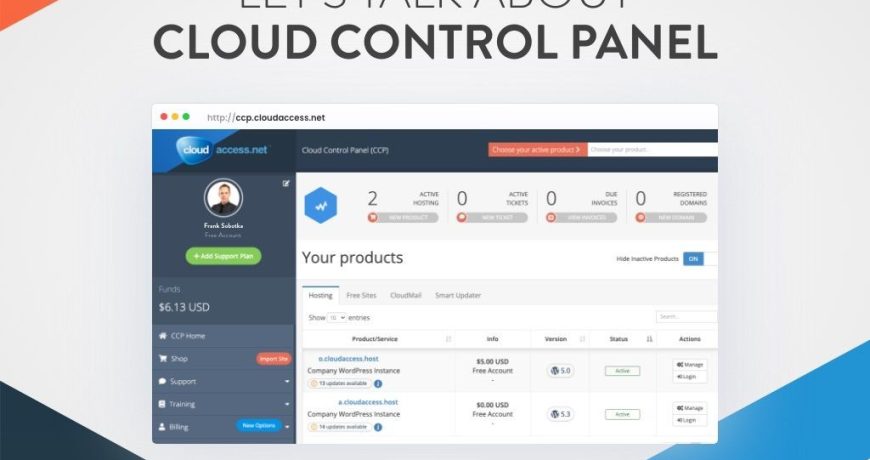
A user‑friendly control panel lets you manage your hosting without deep technical knowledge. The most common is cPanel, but alternatives like Plesk or custom dashboards also work well.
Key tools you’ll want:
- One‑click app installs (e.g., WordPress)
- Email and DNS management
- File managers and database tools
- SSL and security settings
A great control panel saves time and reduces frustration.
7. Automated Backups and Restore Options
Backing up your site regularly protects you from data loss caused by hacks, updates gone wrong, or accidental deletions.
Better hosting providers include:
- Daily automatic backups
- Easy restore points
- Off‑site backup storage
- Version history
These features help you recover quickly if something goes wrong.
8. Support and Customer Service
Even the best hosting can encounter issues, so reliable support is essential. Responsive, knowledgeable support teams save time and headaches.
Good support features include:
- 24/7 live chat and ticket support
- Fast response times
- Knowledge bases and tutorials
- Multilingual or region‑specific help
Helpful support improves your overall hosting experience and reduces downtime during problems.
9. Developer‑Friendly Tools
For technical users, advanced features add value:
- SSH and Git access for secure development workflows
- Staging environments for testing updates before going live
- Database and server tuning options
- Node.js, Python, or custom application support (e.g., flat‑rate managed Node.js hosting) (TechRadar)
These tools help developers build and manage dynamic applications more effectively.
10. Predictable, Transparent Pricing
Many hosting providers offer introductory pricing that increases sharply after renewal. In 2026, look for:
- Transparent pricing plans
- No surprise fees for migrations, backups, or extra storage
- Flat‑rate or value‑pack options
- Refund or trial periods
Predictable costs make budgeting easier and help avoid unexpected charges.
11. Managed Services and Value Add‑Ons
Many modern hosts provide managed services where they handle updates, security, and maintenance for you. This is ideal for businesses that lack in‑house IT skills.
Managed hosting often includes:
- Automatic software updates
- Performance tuning
- Expert technical support
- Specialized features for WordPress or e‑commerce
Managed hosting lets you focus on your content and business, not server maintenance.
In 2026, web hosting is a strategic part of your online success. Choosing the right host means balancing performance, security, flexibility, and support. Whether you’re running a personal blog, a high‑traffic business site, or a complex web application, these web hosting features to look for in 2026 will ensure your website performs well, stays secure, and scales with your goals. Remember that the best hosting investment isn’t just about price — it’s about long‑term reliability and value.