
Back in the 1980s, personal computing was not as accessible as it is today. However, in Japan, Nintendo entered the home computer market with the Nintendo Family Computer, or Famicom, providing an early opportunity for enthusiasts to develop their own software and games. This innovative move paved the way for software creation in an era when options for home programming were limited.
The Family BASIC Package: A Retro Programming Experience
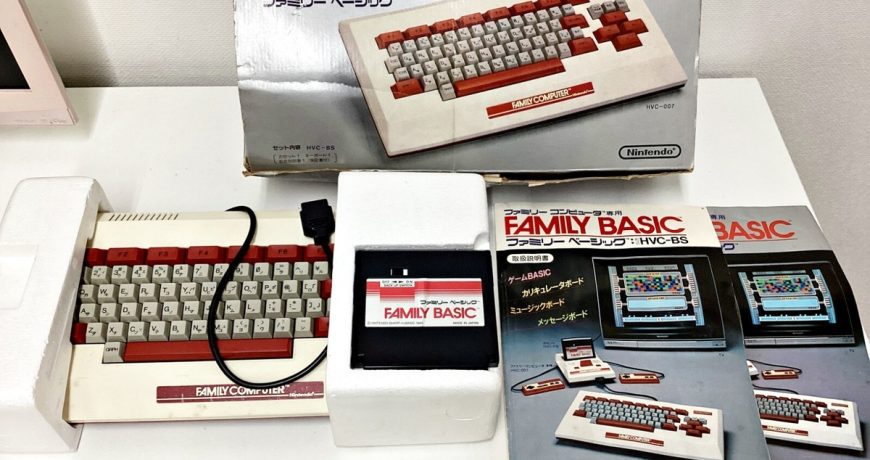
The centerpiece of the Famicom’s programming capabilities was the HVC-007 Family BASIC package. It included a cartridge and a keyboard that connected to the Famicom’s expansion port, turning the gaming console into a home computer. The package came with a comprehensive manual in Japanese, detailing code listings and sprite instructions for creating your own games.
Saving Software on Cassette Tape
An interesting feature of the Family BASIC package was its use of cassette tapes for saving applications. The included Sample 3 tape demonstrated how to load software onto the Famicom, offering a nostalgic glimpse into the analog ways games and programs were managed before digital storage became ubiquitous.
While the language barrier presented a challenge for [Throaty Mumbo] in his video exploration, it highlights the significant effort required to use and develop with early computing platforms like the Famicom.
A Unique Glimpse Into the Family Computer
Despite its prominence in Japan, the Famicom was never released in most global markets, which means that many never got to experience the home-computing power that it offered. With the Family BASIC package, users could program directly on their console, an experience that was largely inaccessible to people outside Japan.
This glimpse into the Famicom’s potential as a family computer showcases a unique chapter in retrocomputing history, reflecting how Nintendo first made its mark in the home computing world. The Family BASIC package wasn’t just about playing games; it was about creating them and exploring programming on an entirely new level.
The Nintendo Famicom and its Family BASIC package represent an intriguing chapter in the history of video game consoles. Although it was a niche product, it allowed users to step into the world of software development, providing a glimpse into the future of interactive entertainment and personal computing.