
Introduction
Emerging markets have long been a key area for investors seeking high returns and diversification. These markets, which include countries in Asia, Africa, and Latin America, have experienced tremendous growth over the past few decades. However, the performance of emerging market stocks can be volatile and subject to unique risks such as political instability, currency fluctuations, and economic shifts. Despite these challenges, emerging markets continue to offer compelling opportunities for investors. In this article, we will explore the performance of emerging market stocks, identify key trends, and provide insights into how to navigate these dynamic markets.
What Are Emerging Markets?
Emerging markets (EMs) refer to economies that are in transition from developing to more advanced economic status. These markets typically feature faster growth compared to developed economies but also carry higher risks. Countries like China, India, Brazil, and South Africa are often classified as emerging markets, with rapid industrialization, a growing middle class, and increasing participation in global trade.
Emerging markets are also characterized by lower per capita income, less developed financial markets, and sometimes unstable political or economic systems. However, the rise of these markets has become one of the key drivers of global economic growth, particularly in sectors like technology, manufacturing, and consumer goods.
Stock Performance in Emerging Markets
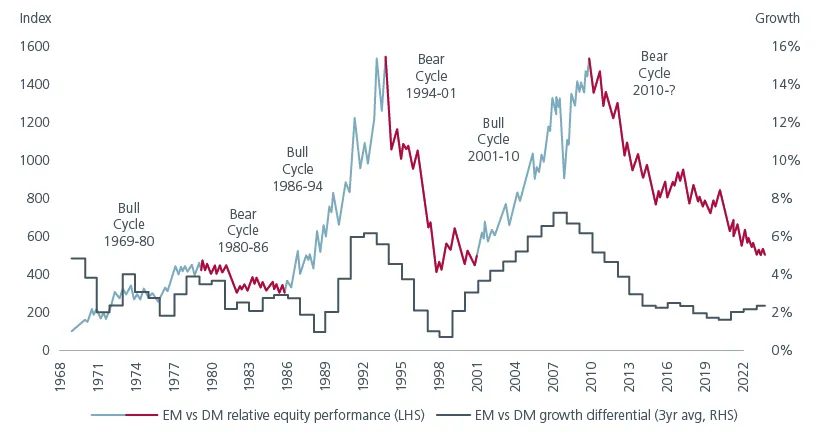
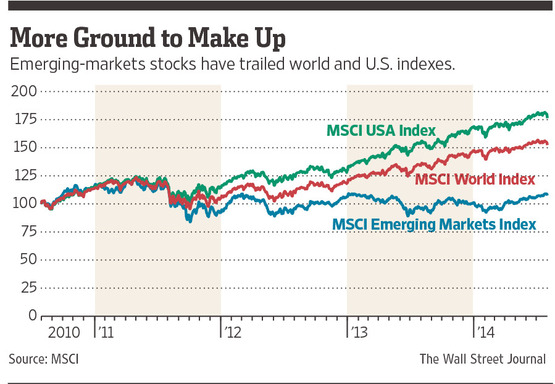
The performance of stocks in emerging markets can be affected by a wide range of factors, including global economic conditions, commodity prices, political stability, and local economic policies. Over the past decade, emerging markets have generally outperformed developed markets in terms of growth, although this trend has been mixed in recent years.
1. The Resilience of Chinese Stocks
China, the second-largest economy in the world, has been a key player in the performance of emerging market stocks. Companies like Alibaba, Tencent, and Baidu have driven growth in the Chinese stock market, particularly in the tech and e-commerce sectors. Despite regulatory challenges in recent years, Chinese stocks have rebounded, and the country remains a dominant force in the global economy.
China’s shift towards a more consumer-driven economy and its focus on technology and innovation continue to offer opportunities for growth. However, investors should be mindful of the government’s regulatory environment, which can impact specific sectors, such as technology and finance.
2. India’s Growing Middle Class
India’s stock market has been one of the most promising in recent years, fueled by a rapidly expanding middle class and robust economic growth. The country is home to several fast-growing sectors, including technology, pharmaceuticals, and consumer goods. The Indian government’s push for digitalization and infrastructure development is creating a favorable environment for growth.
Stocks in companies like Infosys, Reliance Industries, and Tata Motors have performed well, with technology companies leading the charge. India’s demographic advantage, with a young and growing population, provides a solid foundation for long-term stock market performance. However, investors must consider risks such as political volatility, currency fluctuations, and regulatory changes.
3. Brazil’s Commodities and Infrastructure
Brazil, the largest economy in Latin America, is a key emerging market for commodity-focused investments. The country is a major producer of agricultural goods, oil, and minerals, and companies in these sectors have seen significant growth in recent years. The performance of Brazil’s stock market is often tied to the price of commodities, as the country’s economy is heavily dependent on exports.
In addition to its natural resources, Brazil’s infrastructure sector is growing, with opportunities in construction, energy, and transportation. However, the country faces challenges such as political instability, high inflation, and economic inequality, which can impact the stability of its stock market.
4. South Africa: A Gateway to Africa
South Africa is the most developed economy on the African continent and serves as a gateway to emerging market opportunities in Africa. The Johannesburg Stock Exchange (JSE) is one of the largest in the world, and South African companies are leaders in sectors like mining, banking, and agriculture.
While South Africa has faced challenges such as political instability, high unemployment, and slow economic growth, it remains an attractive destination for investors seeking exposure to African markets. The performance of South African stocks is closely linked to global commodity prices, as the country is a major exporter of minerals like gold, platinum, and diamonds.
Key Trends Impacting Emerging Market Stocks in 2026
1. Technological Advancements
Technology is a driving force behind the performance of emerging market stocks. In countries like China, India, and Brazil, technology companies are experiencing rapid growth, driven by innovations in e-commerce, fintech, and artificial intelligence. Investors should continue to monitor the rise of tech startups and digital transformation in emerging markets, as these sectors are likely to outperform in the coming years.
2. The Rise of Renewable Energy
As the world moves toward more sustainable energy sources, emerging markets are well-positioned to benefit from the global shift to renewable energy. Countries like India and Brazil are making significant investments in solar and wind energy, which will likely drive growth in the green energy sector. Companies in these industries offer attractive opportunities for investors looking to capitalize on the growing demand for clean energy.
3. Increasing Consumer Demand
The growing middle class in emerging markets is driving demand for consumer goods and services. Companies in the retail, food, and entertainment sectors are seeing strong growth as disposable incomes rise in countries like China, India, and Brazil. This trend is expected to continue in the coming years, offering investors the chance to capitalize on expanding markets for consumer products.
4. Government Policies and Reforms
Government policies in emerging markets can have a significant impact on stock performance. Many governments are implementing economic reforms aimed at improving infrastructure, boosting foreign investment, and encouraging industrial growth. However, changes in regulatory environments, political instability, and trade policies can also pose risks. Investors should closely monitor government actions and their potential impact on market conditions.
Risks of Investing in Emerging Market Stocks
Investing in emerging markets comes with its risks. These markets can be more volatile than developed markets, with factors like political instability, currency fluctuations, and economic slowdowns often affecting stock prices. Additionally, emerging markets may have less-developed financial systems and regulatory environments, which can increase the risk of fraud or market manipulation.
Investors should diversify their portfolios and consider the specific risks associated with each emerging market. Researching individual countries and industries is crucial for understanding the potential risks and rewards.
Conclusion
Emerging markets offer some of the most exciting stock performance opportunities in 2026 and beyond. From China and India to Brazil and South Africa, these markets are experiencing rapid growth, driven by technological innovation, increasing consumer demand, and natural resources. However, the performance of emerging market stocks can be volatile, and investors must carefully consider the risks involved.
By staying informed about global trends, government policies, and market conditions, investors can capitalize on the growth potential of emerging markets while managing risks through diversification and strategic investments.